

Work-life & shifts7 min
How return to practice routes work for nurses, midwives and allied health professionals coming back after a career break.
By Fiona Mackenzie, NHS Recruitment Specialist — Fiona writes about international recruitment and visa routes into UK health and social care for Healthcare Job Search.
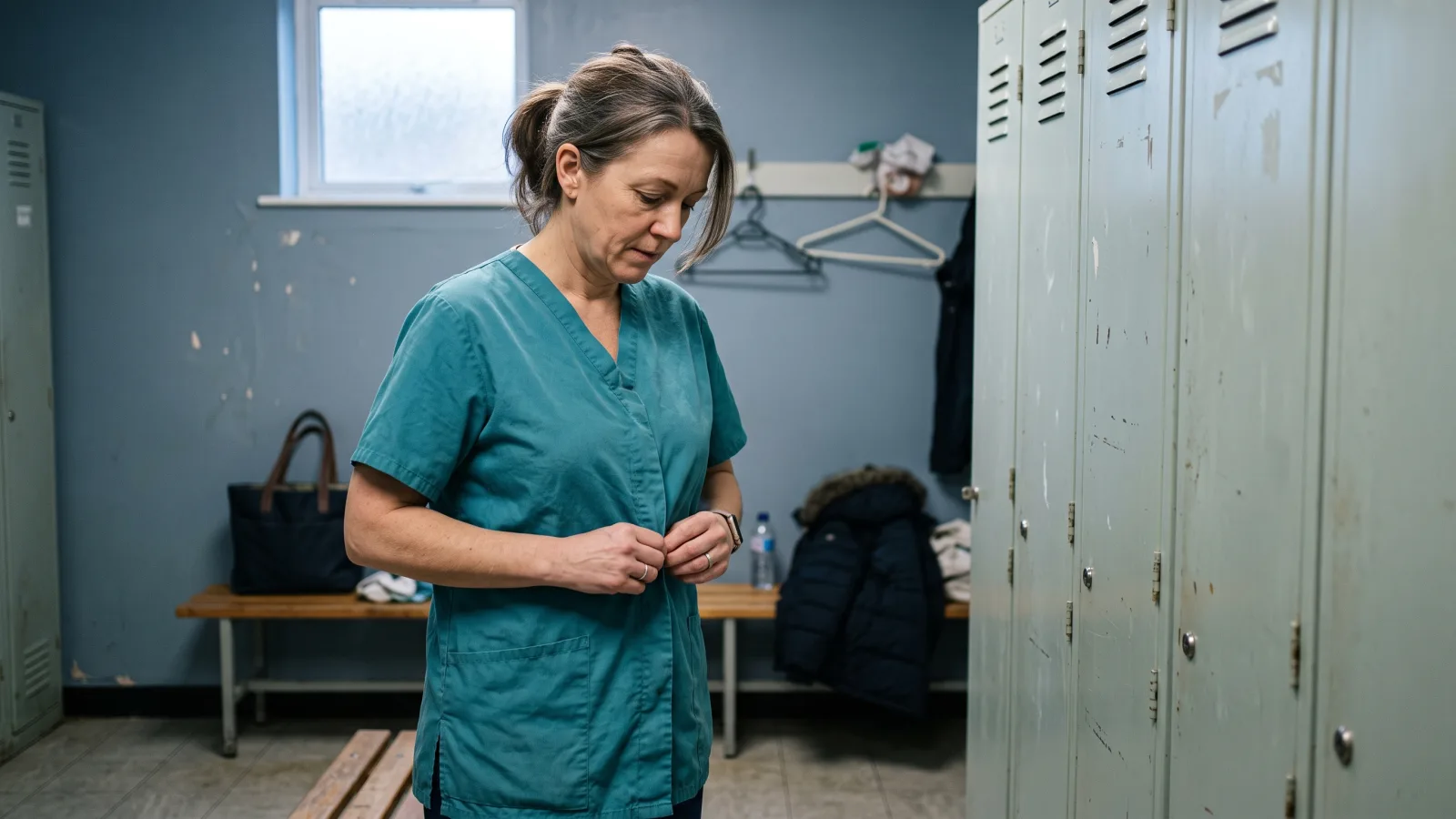
Career breaks are common in nursing, midwifery and allied health, whether for family reasons, working abroad, moving into a different sector, or simply taking time out. Coming back is entirely possible, but if you have been away from registered practice for a while, you usually cannot simply pick up where you left off. Most UK regulators have a defined return to practice route, and understanding how it works will save you time and frustration.
Registered health professions are regulated to protect the public, and regulators need reasonable assurance that someone returning after time away is still safe and up to date before they resume practising under a protected title. Depending on how long you have been away and why, you may need to go through a formal readmission process, a structured return to practice programme, or both. The exact thresholds for which route applies can be updated by regulators, so always check current guidance for your specific profession rather than assuming an older rule of thumb still applies.
The Nursing and Midwifery Council sets out routes for people wanting to return after time off the register. Broadly, there tend to be two situations:
Because the specific time thresholds and evidence requirements are set by the NMC and can be reviewed, check the current guidance directly on the NMC website for your exact circumstances before assuming which route applies to you.
The Health and Care Professions Council, which regulates professions including physiotherapists, occupational therapists, paramedics, radiographers, speech and language therapists and others, has its own equivalent returner process. As with nursing, the exact requirements can depend on your specific profession and how long you have been away, and HCPC-approved return to practice programmes exist to bridge the gap. Check current HCPC guidance for your profession specifically, since requirements are not identical across every allied health profession.
Although the detail varies by profession and provider, return to practice programmes generally combine:
These programmes are typically run by universities in partnership with local NHS trusts or other healthcare providers, so availability can depend on where you live.
Funded return to practice places and bursary-style support have been offered in various forms over the years, sometimes nationally and sometimes through specific regions or trusts responding to local workforce needs. Availability, eligibility and funding levels change, so rather than relying on what a friend or former colleague experienced, check current options directly with NHS England's workforce and education functions, the relevant royal college for your profession, or local NHS trusts and universities running approved programmes.
Many returners find the biggest barrier is not knowledge but confidence, particularly after several years away. It can help to shadow current staff informally where possible, join professional networks or online communities specifically for people returning to practice, and read up on how documentation, safeguarding processes and multidisciplinary working have changed since you were last in post, since these often shift more than clinical fundamentals do.
Some people returning after a long break choose to move back gradually, for example taking on an education, administrative, advisory or non-clinical role first, to rebuild familiarity with the sector before returning to direct clinical practice through a formal programme. This is not necessary for everyone, but it can be a useful option if you feel a long way from current practice.
Be straightforward about a career break rather than trying to disguise it. Briefly explain the reason if you are comfortable doing so, highlight any transferable skills you gained during that time, whether that was caring responsibilities, working in another sector, or living abroad, and be clear about any steps you have already taken or plan to take to update your knowledge and skills. Employers recruiting for return to practice placements are generally used to supporting people in exactly this position.
This guide is general information, not legal, immigration or medical advice. Always confirm current requirements with the relevant official body.
Where to look next
Last reviewed 20 April 2026.
Keep reading
We would like to set one optional cookie that recognises your browser when you come back, so we can tell returning visitors from new ones. It stays off unless you say yes, and you can change your mind at any time. Cookies that keep you signed in are always on. Read our cookie policy