
Nursing specialties6 min
One of the four fields of nursing, and consistently the smallest. What learning disability nurses do, why demand keeps rising, and how to train.
By Aisha Rahman, Staff Writer — Aisha writes about nursing specialties and training routes for Healthcare Job Search.
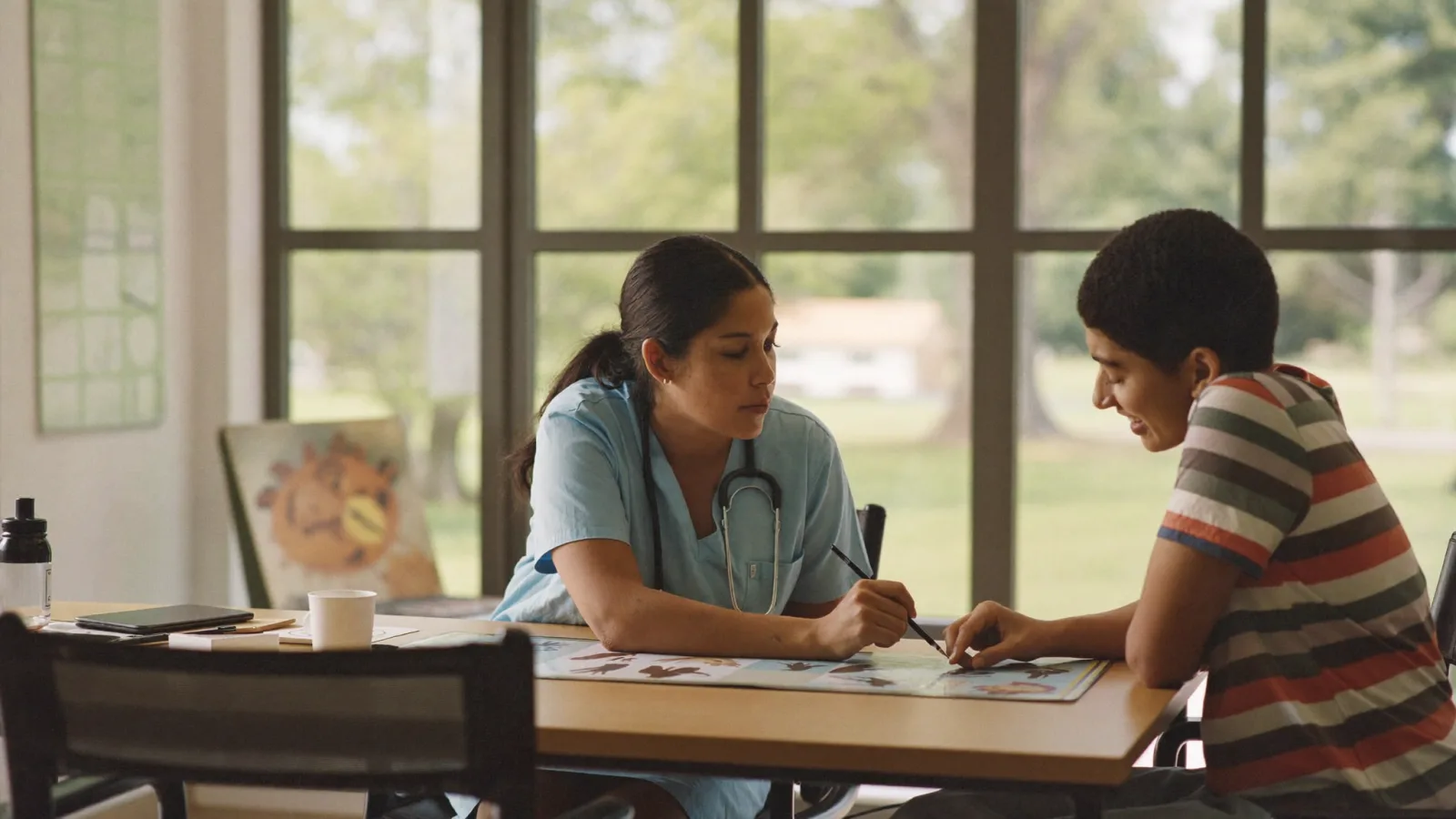
Learning disability nursing is one of the four fields of the nursing register and consistently the smallest. It is also the one most people, including many working in healthcare, would struggle to describe accurately. That combination of small numbers and low visibility has produced a workforce shortage in a field where demand is unambiguously rising.
The common misconception is that the role is about providing personal care to people with learning disabilities. It is not. That work is largely done by support workers, and learning disability nurses often supervise and train them rather than doing it themselves.
The actual role is closer to being a specialist health practitioner and advocate for a population with substantially worse health outcomes than the general population.
Health assessment and health equity. People with learning disabilities die younger than the general population, and a significant proportion of those deaths are from causes that were potentially avoidable with better care. Reviews of deaths in this population have consistently identified diagnostic overshadowing, where symptoms are attributed to someone's learning disability rather than investigated, as a recurring problem. Learning disability nurses exist substantially to counter this.
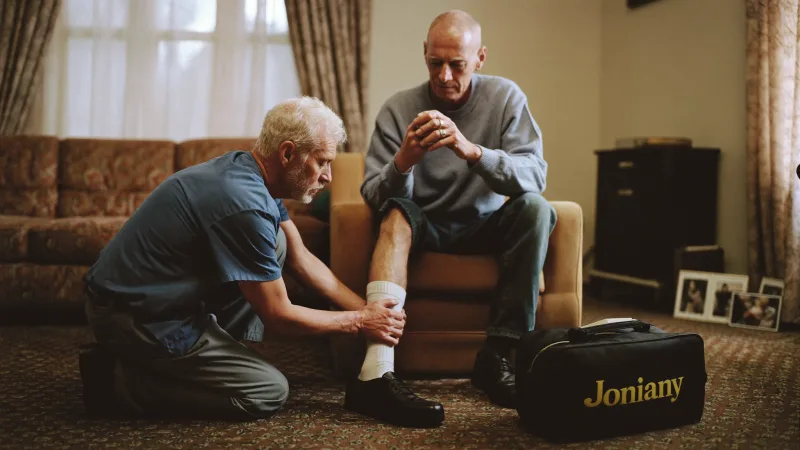
Making reasonable adjustments happen. Ensuring a person can actually access healthcare: longer appointments, desensitisation before a procedure, hospital passports, preparation for admission, adapted communication, quiet waiting arrangements. This is a legal requirement under the Equality Act and it does not happen by itself.
Communication. Working with people who may not use speech, using picture systems, objects of reference, signing systems and easy-read materials, and interpreting behaviour as communication.
Behaviour that challenges. Understanding what a behaviour is communicating, usually distress, pain, an unmet need or an environment that does not work, and designing positive behaviour support around it rather than containing it. There has been a sustained policy push toward reducing restrictive practice and reducing the use of psychotropic medication where it is prescribed inappropriately, and learning disability nurses are central to both.
Physical health. Epilepsy management, dysphagia and eating and drinking safety, constipation, oral health, sensory impairment, mobility. These are areas where this population is under-served and where specialist knowledge changes outcomes.
Mental health. People with learning disabilities experience mental illness at higher rates and it is frequently missed or misattributed.
Mental capacity and safeguarding. Assessing capacity, best interests decision-making, deprivation of liberty safeguards, and safeguarding work. Learning disability nurses are usually the people in a team with the deepest working understanding of the Mental Capacity Act.
Supporting families and transitions. Particularly the transition from children's to adult services, which is a well-documented cliff edge.
Very little of it is in the institutions people imagine, which have largely closed.
Community learning disability teams are the largest employer, working across a geographical area alongside psychologists, speech and language therapists, occupational therapists, physiotherapists and psychiatrists. Acute hospital liaison roles, where a learning disability nurse supports people through hospital admissions, have expanded significantly and are among the most obviously impactful posts in the field. There is also work in specialist inpatient assessment and treatment units, forensic services, education settings, residential and supported living services, children's services, and increasingly in primary care supporting annual health checks.
Several things at once. People with learning disabilities are living considerably longer than they once did, which means age-related conditions in a population that historically did not reach those ages. Health inequality in this group has become a policy priority following successive reviews and inquiries. Annual health checks in primary care have expanded, requiring people to deliver them. And the drive to reduce inappropriate hospital admissions and long stays requires skilled community support.
At the same time, the number of learning disability nurses has fallen over a long period, and recruitment to the degree programmes has been persistently below what is needed. Universities have closed some programmes for lack of applicants, which has reduced geographic access further.
For anyone entering the field, the practical implication is straightforward: this is a small profession where qualified people are actively sought.
Learning disability nursing is a field of the pre-registration nursing degree, usually three years full-time, with apprenticeship routes available in some areas. Some universities offer dual field programmes combining learning disability with mental health or adult nursing, which are particularly valued.
Because programmes are relatively few, geography is a real constraint, and it is worth checking what is available within reach before assuming.
Registered nurses in other fields can add learning disability registration through a second registration programme, though availability and funding are limited.
People in the field describe it as the most relationship-based nursing there is. You may work with the same person for years. Progress is measured differently: someone tolerating a blood test for the first time, or a person moving from a restrictive placement to their own supported flat, or a health condition finally being investigated properly after years of being dismissed.
The advocacy element is central and can be wearing. A significant part of the job is challenging other professionals, politely and repeatedly, when someone is not receiving the care they would receive if they did not have a learning disability. That requires a particular kind of persistence.
The frustrations named most often are underfunded services, difficulty accessing specialist provision, and being a small profession that other services do not always understand or involve.
It suits people who are genuinely interested in communication, who are comfortable with slow progress, who are willing to be an advocate and to be the awkward voice in a meeting, and who want a role that is about health outcomes rather than task delivery.
It suits people who prefer depth of relationship to volume of throughput. It suits less well people who want acute, fast-paced clinical work.
Progression runs into specialist practice across epilepsy, behaviour support, dysphagia, forensic services and health facilitation; into acute liaison roles; into advanced clinical practice; into team and service leadership; and into education, research and policy, where the profession has an outsized influence relative to its numbers.
Because the field is small, individual practitioners can become nationally known within it fairly quickly, and there are more opportunities to shape practice than in larger professions.
For information on the role and routes into it, the NMC publishes the standards for the field, and NHS England and the relevant professional bodies publish material on learning disability health inequality and workforce.
This article is general information, not legal, immigration or medical advice. Always confirm current requirements with the relevant official body.
Where to look next
Keep reading

We would like to set one optional cookie that recognises your browser when you come back, so we can tell returning visitors from new ones. It stays off unless you say yes, and you can change your mind at any time. Cookies that keep you signed in are always on. Read our cookie policy