

Compliance & checks6 min
What Basic, Standard and Enhanced DBS checks show, how the application process works, and how the Update Service can save you time.
By Daniel Osei, Senior Careers Writer — Daniel covers NHS and social care job applications and recruitment processes for Healthcare Job Search.

If you are applying for almost any role in healthcare or social care that involves contact with patients or service users, you will be asked to undergo a Disclosure and Barring Service check, usually just called a DBS check. This guide explains what the different levels mean, how the process generally works, and some of the practical points that catch people out.
DBS checks come in different levels, and which one applies depends on the role.
Most direct care roles involving regular contact with patients, service users, children or vulnerable adults require an Enhanced check, frequently including a barred list check for the children's workforce, the adults' workforce, or both, depending on who you will be working with. Administrative or support roles with little or no direct contact may only require a Standard or Basic check, or sometimes none at all. The specific requirement should be set out in the job advert or made clear by the recruiting organisation, since it depends on the exact nature of the role rather than the sector alone.
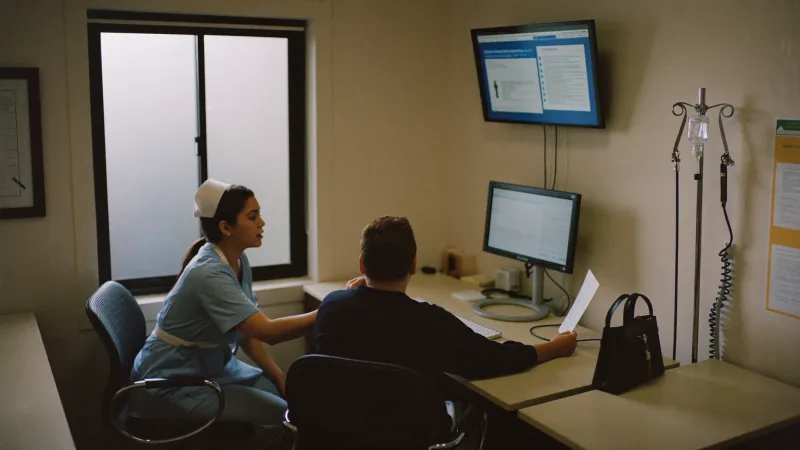
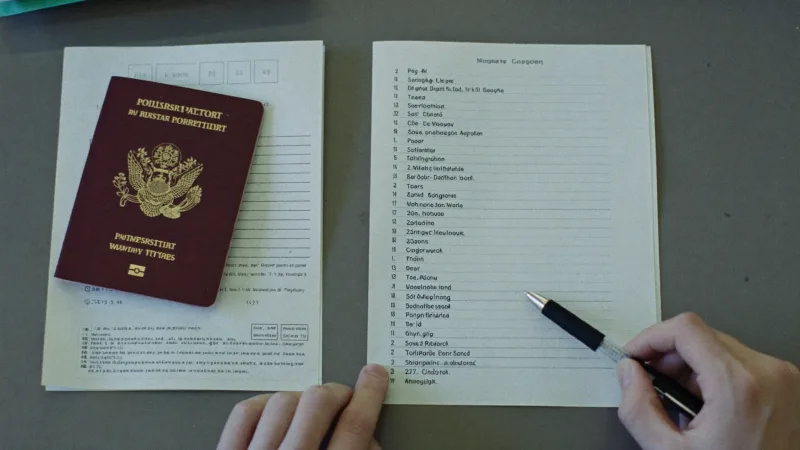
For Standard and Enhanced checks, individuals generally cannot apply directly to the DBS themselves. An application has to be countersigned or processed through a registered body, which is typically your prospective employer, an umbrella organisation, or an approved third-party provider acting on the employer's behalf. This usually involves verifying your identity documents, completing an application form, and the registered body submitting the request.
The DBS Update Service is a subscription option that allows you to keep a certificate current so that employers can check its status online instead of you needing an entirely new application every time you move roles. If you join within a set window after your certificate is issued and keep the subscription active, employers can carry out a free, instant status check to confirm nothing has changed, rather than waiting for a fresh certificate. This can save significant time when moving between jobs, particularly in sectors like healthcare and social care where checks are frequently required. Check the current subscription terms and any joining window on the official DBS website, since the rules around eligibility can change.
A DBS certificate on its own is a snapshot at the point it was issued, and it is not automatically reusable by a new employer unless you are subscribed to and using the Update Service correctly, and the new employer is checking for the same workforce type and level as your existing certificate. Without an active Update Service subscription, a new employer will typically need you to apply for a new check, especially where the role involves a different workforce group or a different level of check than your existing certificate covers.
A DBS certificate can include spent and unspent convictions and cautions depending on the level of check, subject to filtering rules that exclude certain older, less serious matters from Standard and Enhanced checks over time. Having something on your certificate does not automatically mean you cannot work in healthcare or social care. Employers are expected to consider relevance, how long ago something happened, and proportionality, rather than applying a blanket rule, though some specific serious offences can affect eligibility for certain roles, particularly where a barred list is involved. If you believe information on your certificate is inaccurate, there is a formal dispute process you can use.
A DBS check only covers criminal record information held in the UK, so it cannot reflect time spent living or working overseas. If you have lived abroad, you will typically also need to provide an overseas criminal record certificate, sometimes called a certificate of good conduct or police clearance certificate, from the relevant country or countries, in addition to a UK DBS check once you are here. Requirements vary by country and by employer, so check with your prospective employer or a regulated immigration adviser about exactly what is needed for your situation.
A DBS check is a routine, expected part of working in this sector rather than something to be anxious about, but understanding the process in advance makes it much easier to get through smoothly when you are moving jobs.
This guide is general information, not legal, immigration or medical advice. Always confirm current requirements with the relevant official body.
Where to look next
Last reviewed 1 April 2026.
Keep reading
We would like to set one optional cookie that recognises your browser when you come back, so we can tell returning visitors from new ones. It stays off unless you say yes, and you can change your mind at any time. Cookies that keep you signed in are always on. Read our cookie policy