
Industry trends6 min
Policy has been pushing care out of hospitals for years. Where that is genuinely creating roles, where it is not, and what it means for your next move.
By Ellie Marsh, Staff Writer — Ellie covers NHS workforce trends and recruitment patterns for Healthcare Job Search.
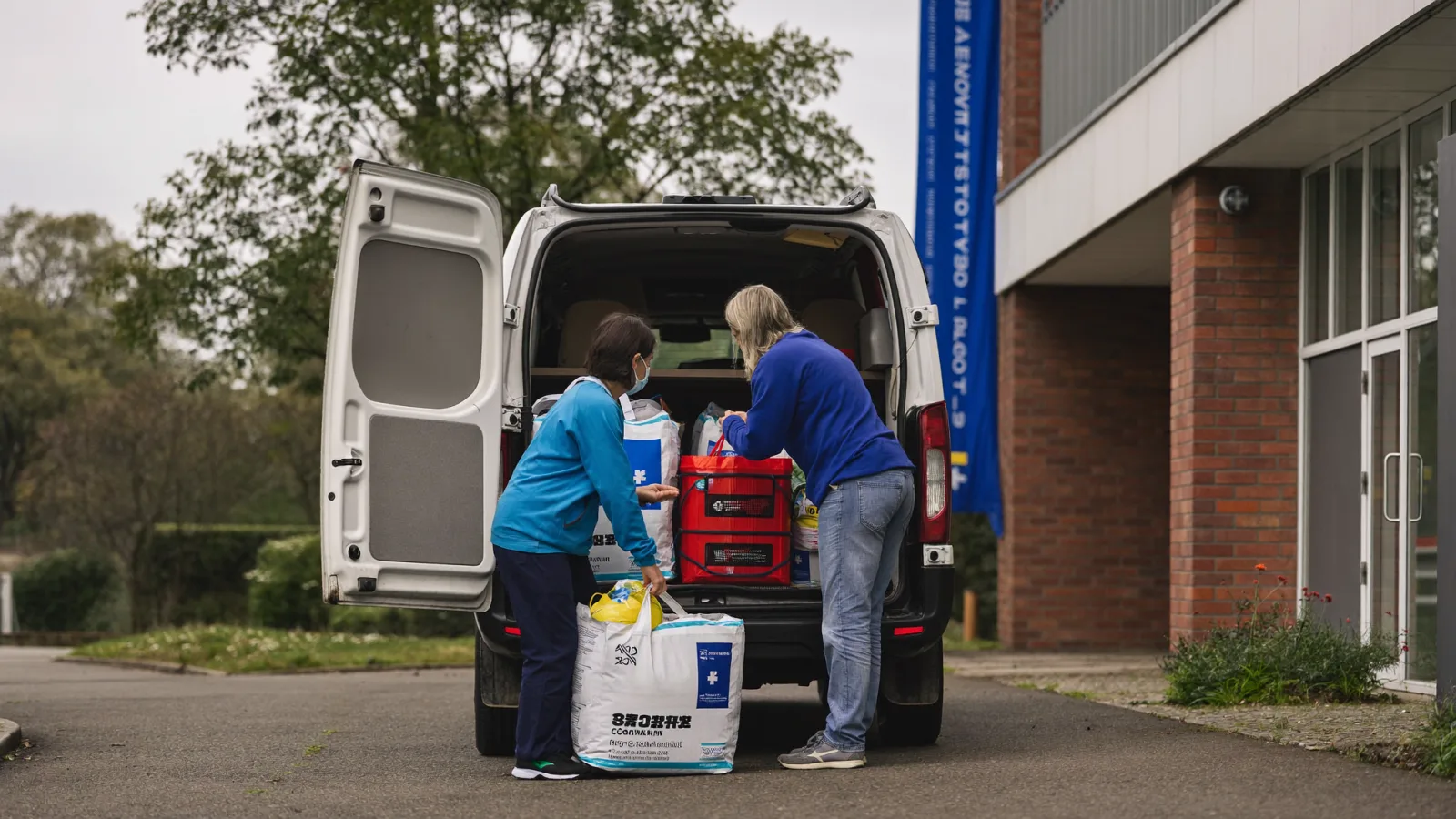
Every health policy document of the last two decades has said roughly the same thing: more care should happen closer to home, and fewer people should be in hospital beds. For jobseekers, the interesting question is not whether that is a good idea but whether it is actually producing jobs, and where.
The consistent direction has been toward shifting activity out of acute hospitals and into community, primary care and people's homes. The stated reasons are familiar: an ageing population with multiple long-term conditions, hospital care being expensive and often not what people want, and the observation that a significant number of hospital beds are occupied by people who no longer need to be there.
Recent strategy in England has framed this as a set of shifts, including from hospital to community and from treatment to prevention. Similar directions run through policy in Scotland, Wales and Northern Ireland.
Several areas have expanded in a way that is visible in recruitment.
Urgent community response and rapid response teams. Services designed to reach people in a crisis at home within hours, to prevent an avoidable admission. These employ nurses, paramedics, therapists and support workers, and have grown substantially.
Virtual wards and hospital at home. Services caring for people at home with remote monitoring and regular visits, at an acuity that would previously have required admission. This has been one of the fastest-growing areas and employs a mix of professions.
Primary care network roles. The additional roles funding in England has created a large number of posts in general practice for pharmacists, paramedics, first contact physiotherapists, mental health practitioners, social prescribers, care coordinators and others. This is probably the single largest source of genuinely new healthcare jobs in recent years.
Community therapy and reablement. Occupational therapists and physiotherapists working to keep people independent at home and to get them back on their feet after illness.
Community mental health. Including crisis resolution and home treatment teams, and expanded provision in primary care.
Frailty and care home support teams. Multidisciplinary teams working into care homes, an area where good support demonstrably reduces admissions.
Honesty requires acknowledging that the shift has been partial and uneven.
District nursing has not grown proportionately. The specialist district nurse workforce has been a documented concern for years, with the number of qualified district nurses falling over a long period even as community caseloads and acuity rose. Community nursing teams frequently carry more complex work with fewer specialist practitioners than the caseload warrants.
Social care remains under strain. The shift toward community care depends heavily on social care capacity, and pay in that sector remains low relative to the demands of the work, with turnover to match. Recruitment has been further affected by the closure of overseas sponsorship for care worker roles.
Hospitals have not shrunk. Acute pressure has not reduced, which means the community expansion has largely been additional rather than a transfer of resources. That is good for job numbers and does mean the promised release of hospital capacity has not materialised as hoped.
Some services are precarious. Community services are often funded through time-limited programmes, pilot funding or specific national initiatives. A role created by a funding stream can disappear when the stream ends, which is a real consideration when weighing a job offer.
Community experience is increasingly valuable. As services shift, clinicians who can work autonomously in unstructured environments become more sought after. If you have only worked in hospital settings, a period in community, intermediate care or a rapid response team broadens your options considerably.
Autonomy is the transferable skill. The common thread across almost all of these roles is making decisions alone, in someone's home, with limited immediate support. If you can demonstrate that, you are employable across the whole community landscape.
Multidisciplinary working is the norm. Community teams mix professions in a way hospital departments often do not. Experience of genuine multidisciplinary practice reads well.
Some professions have gained more than others. Paramedics, pharmacists, physiotherapists and occupational therapists have seen the widest expansion of options, largely through primary care. Nursing has gained in some areas and lost ground in district nursing specifically.
Ask about funding. For any community role, it is entirely reasonable to ask whether the post is substantively funded or dependent on a programme with an end date. Good employers answer this straightforwardly.
Worth weighing before making the move.
You will probably need to drive. Most community posts require a licence and a car, and mileage is reimbursed but the wear on your vehicle is yours.
Hours are often better. Many community services are daytime with some extended cover, and fewer are full shift patterns. That usually means losing unsocial hours enhancements, so model your take-home pay.
Support is thinner. No team down the corridor, no immediate escalation. Good services compensate with strong induction, supervision and phone support. Ask what the induction actually is.
The work is more complex than it looks. People at home are sicker than they used to be, and the acuity in community caseloads has risen faster than staffing.
Job satisfaction tends to be higher. This is the consistent finding, and the reason people give is autonomy and continuity.
The direction of travel is not seriously contested by anyone, and the demographic pressures behind it are not going to reverse. Whatever the pace and however uneven the delivery, more healthcare work over the next decade will happen outside hospitals than inside them relative to today.
For someone planning a career rather than a next job, that suggests building community competence at some point is a sensible hedge, and that the roles being created in primary care and community services are worth taking seriously rather than treating as an afterthought to hospital work.
For current workforce data and policy direction, NHS England and the equivalent bodies in Scotland, Wales and Northern Ireland publish workforce plans and strategy documents, and Skills for Care publishes the definitive data on the adult social care workforce.
This article is general information, not legal, immigration or medical advice. Always confirm current requirements with the relevant official body.
Where to look next
Keep reading


We would like to set one optional cookie that recognises your browser when you come back, so we can tell returning visitors from new ones. It stays off unless you say yes, and you can change your mind at any time. Cookies that keep you signed in are always on. Read our cookie policy