Industry trends6 min
Electronic records, remote monitoring and digital triage have changed day-to-day clinical work. What employers expect, and which skills are worth building.
By Ellie Marsh, Staff Writer — Ellie covers NHS workforce trends and recruitment patterns for Healthcare Job Search.
Ten years ago, "good with computers" was a personality trait in a clinical team, usually the person everyone called when the printer stopped. It is now closer to a baseline competence, because a substantial proportion of clinical work is mediated through systems. That change has happened gradually enough that many people have not consciously adjusted to it, and it has consequences for careers.
Records are electronic almost everywhere. Electronic patient records, electronic prescribing and medicines administration, digital care planning in social care. The consequence is not merely that you type instead of writing. It is that documentation is structured, auditable, visible to others in real time, and time-stamped. What you record, and how, has become more consequential.
Remote and hybrid consultation is normal. Telephone and video consultation moved from marginal to mainstream and has stayed there for a substantial share of contacts, particularly in primary care and outpatients. Consulting well without physical presence is a genuine clinical skill, not simply the same conversation over a screen.
Remote monitoring has grown. Virtual wards, hospital-at-home services and remote monitoring of long-term conditions mean clinicians increasingly manage patients they are not in the room with, using data arriving from devices.
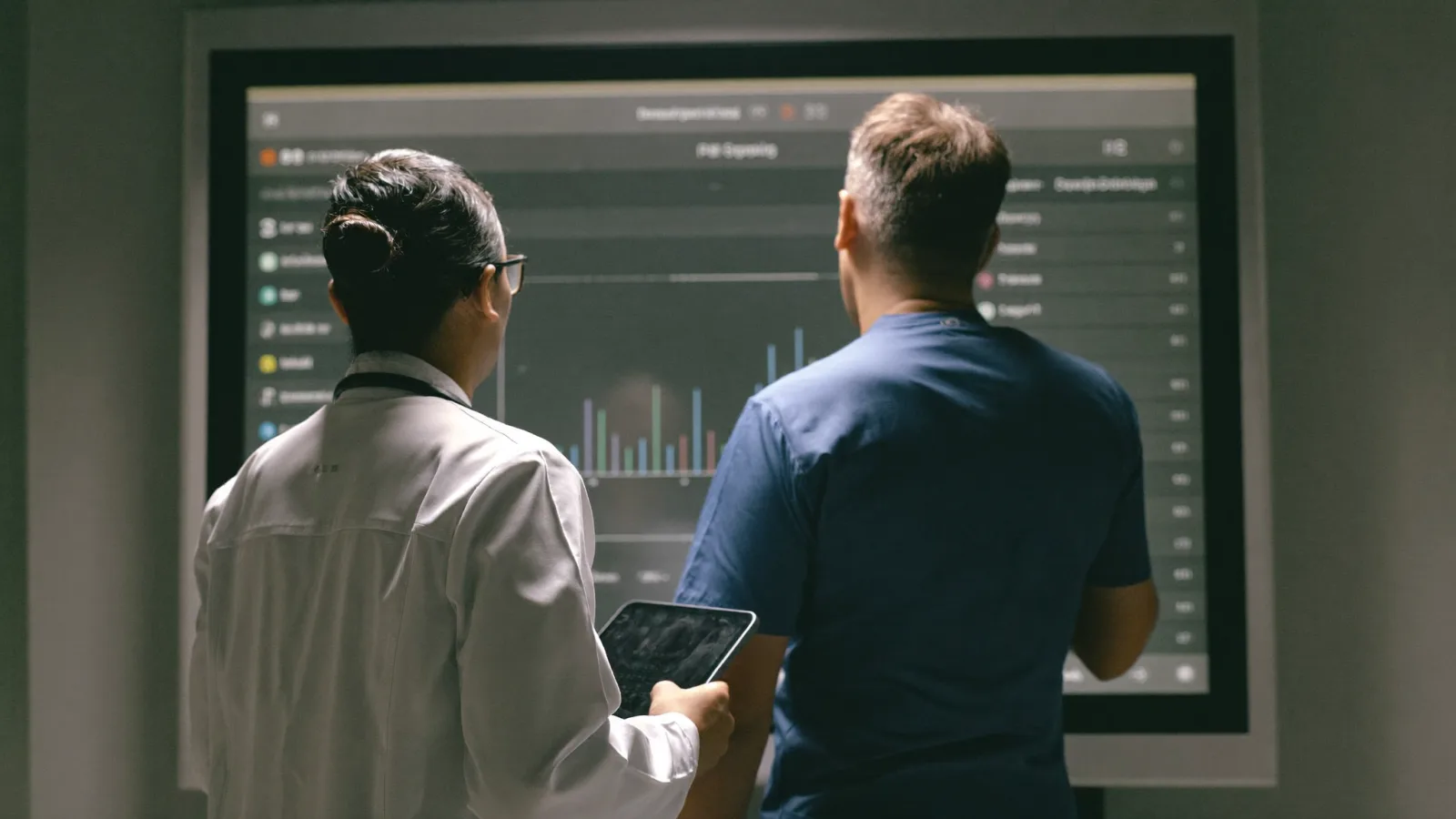
Data drives service decisions. Dashboards, activity data and outcome measures shape how services are run and how they are held to account. Clinicians who can read and question that data have more influence than those who cannot.
Digital triage and decision support are embedded. Systems that prioritise, flag risk and prompt clinical decisions are part of routine work, which raises the question of how much to trust them.
Job descriptions increasingly reference digital capability, and the expectation is roughly this:
None of this requires technical expertise. It requires not treating digital systems as somebody else's problem.
Inappropriate access to records is one of the most common causes of disciplinary action and regulatory referral in healthcare. Every access is logged. Looking up a colleague, a relative, a neighbour or yourself out of curiosity is a serious matter, and audits do detect it.
The rule is straightforward: you access a record because you have a legitimate professional reason relating to the care of that person, and for no other reason. It is worth being unambiguous about this because people talk themselves into exceptions.
Beyond digital competence in a clinical role, there is a whole career field that many clinicians do not realise is open to them.
Clinical informatics. Clinicians who work on how systems are designed, configured and used. Roles include clinical safety officer, which is a defined role with responsibility for the safety of health IT systems, clinical informatics lead, and chief clinical information officer or chief nursing information officer at organisational level. These roles exist precisely because systems designed without clinical input tend to be dangerous.
Digital transformation and change. Implementing new systems, training staff, managing the change. Clinical credibility is the main qualification, because rollouts fail on adoption rather than technology.
Data analysis and business intelligence. Increasingly recruiting people with clinical backgrounds, since interpreting healthcare data requires knowing what the data actually represents.
Digital health industry. Suppliers, health technology companies and consultancies recruit clinicians for product, implementation and clinical safety roles.
These roles frequently pay well, are usually daytime, and are one of the more accessible routes out of shift work for clinicians who want to stay in healthcare.
If you want to develop this without leaving clinical practice:
Digital is not automatically an improvement. Poorly implemented systems increase workload, fragment attention and introduce new categories of error. Clinicians who point this out are frequently right, and the answer is involvement in design rather than resignation.
Documentation burden is real. A recurring complaint is that systems designed for reporting and billing requirements have shifted work onto clinicians. This is a legitimate concern and part of what informatics roles exist to address.
Automation bias is a genuine risk. Decision support tools are useful and they are not always right. Deferring to a system against your own clinical judgement, because the system said so, is a recognised failure mode.
Digital exclusion cuts both ways. Some patients cannot use remote services, and some staff, particularly in social care where investment has lagged, work with systems that are far behind those in the NHS.
Two reasons, both practical.
The first is that digital capability is becoming a differentiator in ordinary clinical recruitment. Between two otherwise comparable candidates, the one who can talk sensibly about the electronic record, remote consultation and using data to improve a service is more attractive.
The second is that this is one of the few areas of healthcare where demand for people with clinical backgrounds substantially exceeds supply, and where the roles offer sociable hours and good pay. For clinicians thinking about what they will do when shift work stops being sustainable, it is worth knowing the door is there.
For frameworks and learning resources, NHS England publishes digital capability frameworks and learning materials, and the professional bodies for health informatics publish guidance on roles and qualifications.
This article is general information, not legal, immigration or medical advice. Always confirm current requirements with the relevant official body.
Where to look next
Keep reading


We would like to set one optional cookie that recognises your browser when you come back, so we can tell returning visitors from new ones. It stays off unless you say yes, and you can change your mind at any time. Cookies that keep you signed in are always on. Read our cookie policy