

Pay & bands6 min
Nights, weekends and bank holidays are paid differently under Agenda for Change. How enhancements work, who gets them, and what to check before you take a rota.
By Tom Whitfield, Careers Editor — Tom writes about NHS employment models and career pathways for Healthcare Job Search.
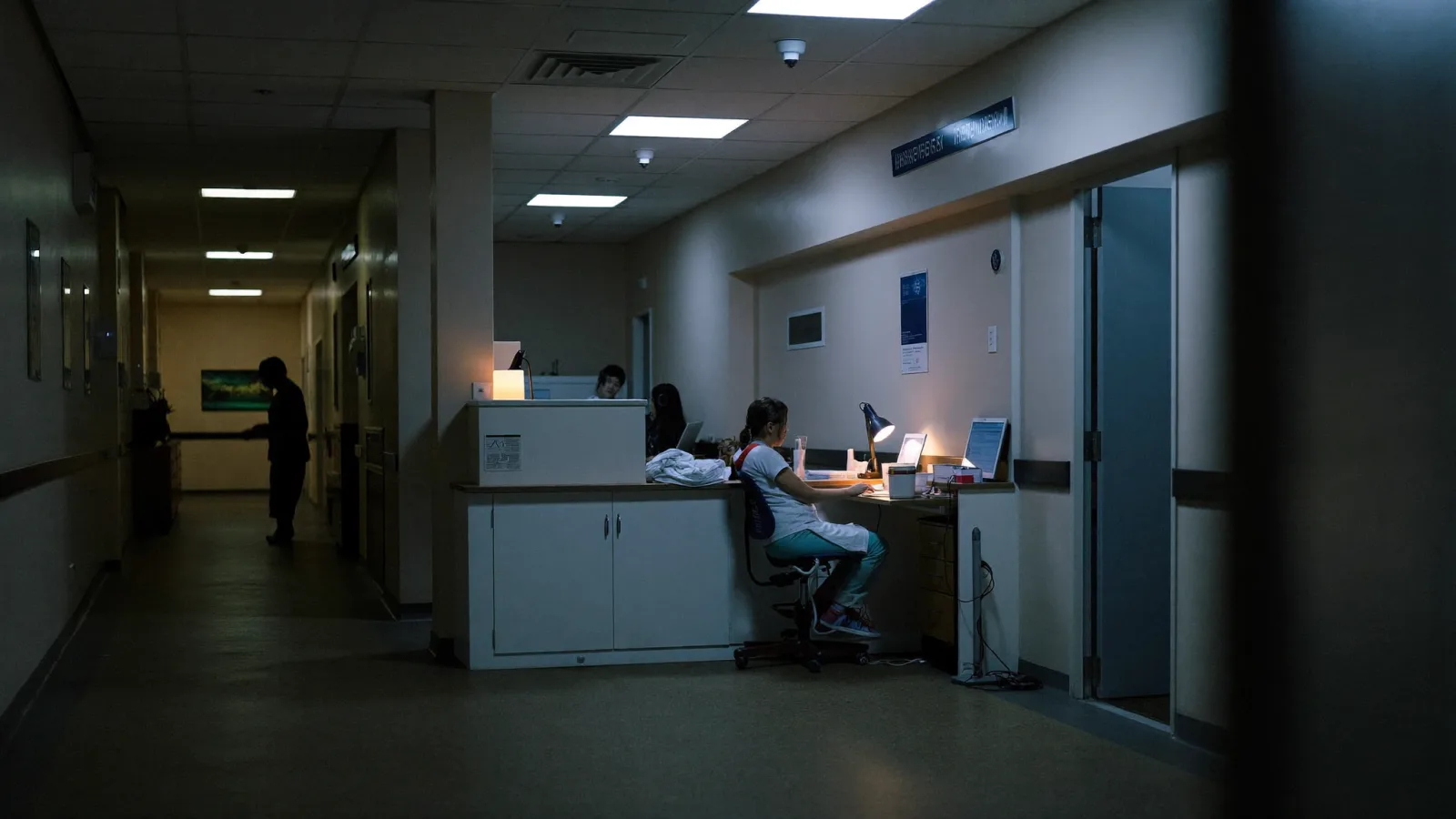
For a great many NHS staff, unsocial hours enhancements are not a bonus on top of the salary; they are a substantial and expected part of what the job pays. Two people on the same band and pay point can take home noticeably different amounts depending on their rota. If you are comparing job offers, or deciding whether to move from nights to days, understanding how enhancements work matters as much as understanding the band.
Under Agenda for Change, enhancements are paid for work at times defined nationally as unsocial. In broad terms that means nights, weekends and public holidays, with the exact boundaries and rates set out in the national terms and conditions.
The important structural point is that enhancements are paid as a percentage addition on top of basic pay for the hours actually worked at those times, with different percentages applying to different categories. Public holidays attract the highest rate, and the enhancement for a Saturday is generally lower than for a Sunday. Because the arrangements have been revised through successive national negotiations, and because there are separate provisions for staff in some bands and some legacy arrangements, always check the current national terms and conditions handbook rather than relying on remembered percentages.
Scotland, Wales and Northern Ireland negotiate their own versions of Agenda for Change, and their unsocial hours provisions are similar in structure but not identical, so confirm which apply to the employer you are dealing with.
Enhancements are calculated from the hours recorded in the rostering system, exported to payroll, and paid the following month. This lag is the single biggest cause of confusion. The month you worked six nights and two weekends will not be the month your pay jumps; the month after will be.
It also means the accuracy of your pay depends on the accuracy of the roster. If you swapped a shift, stayed late, or covered at short notice and the roster was never updated, the enhancement will not be paid, and payroll cannot fix what was never sent to them. Checking that your worked hours are correctly recorded is genuinely worth doing, particularly if you swap shifts often.
If enhancements only ever applied to hours actually worked, taking annual leave would cost shift workers money, and there are provisions designed to prevent exactly that. Under the national arrangements, pay during annual leave is based on average pay including regularly worked enhancements, calculated over a reference period. Similar principles apply to sick pay.
The practical consequences are worth knowing. Your leave pay reflects a preceding reference period, so if your rota pattern has changed recently, your leave pay may reflect the old pattern rather than the new one. And if you take a long stretch of leave, the averaging still applies, so you are not penalised for it. The exact reference period and calculation are set nationally and have been the subject of case law and revision, so check the current handbook or ask payroll for the calculation applied to you.
Two roles at the same band can differ materially in take-home pay, and the advert rarely makes this clear. When weighing an offer, it is worth asking directly:
A Band 5 post on a rotating pattern with regular nights and weekends can pay significantly more over a year than a Band 5 post on Monday to Friday days. Whether that is a good trade depends entirely on your circumstances, but it should be a conscious choice rather than a surprise.
Enhancements are real money, and for many people they are the difference between managing and not. It is entirely reasonable to choose a rota partly for what it pays.
But there are costs that do not appear on a payslip. Night work is associated with disrupted sleep and a range of health effects, and the evidence on long-term shift work is not reassuring. Weekend working affects childcare, relationships and everything organised around a conventional week. Rotating patterns are generally harder on the body than fixed ones, because you never fully adapt.
There is also a lock-in effect people underestimate. If your household budget comes to depend on enhancements, moving to a day-only post, a management role or a community position often means a real-terms pay cut even when the band is the same or higher. Clinicians moving into Band 6 or 7 roles that are Monday to Friday quite often find their take-home pay barely moves, or falls. That is worth modelling before you apply, not after you are offered.
Bank shifts are usually paid with their own rate structure, which may or may not mirror the substantive enhancement arrangements, and bank enhancement arrangements have varied between organisations and over time. If you rely on bank work for a meaningful part of your income, ask the bank office specifically how unsocial hours are treated on their rates, because assuming it matches your substantive contract can be an expensive mistake.
For the current definitions, percentages and reference periods, the NHS terms and conditions of service handbook is the authoritative source, with separate versions for Scotland, Wales and Northern Ireland, and your payroll team can confirm how they are applied to your own pay.
This guide is general information, not legal, immigration or medical advice. Always confirm current requirements with the relevant official body.
Where to look next
Last reviewed 23 August 2026.
Keep reading


We would like to set one optional cookie that recognises your browser when you come back, so we can tell returning visitors from new ones. It stays off unless you say yes, and you can change your mind at any time. Cookies that keep you signed in are always on. Read our cookie policy