What to expect on an NHS interview day
Panels, presentations, written tests, tours and group exercises. A practical walkthrough of what an NHS interview day involves and how to prepare for each part.
By Tom Whitfield, Careers Editor — Tom writes about NHS employment models and career pathways for Healthcare Job Search.
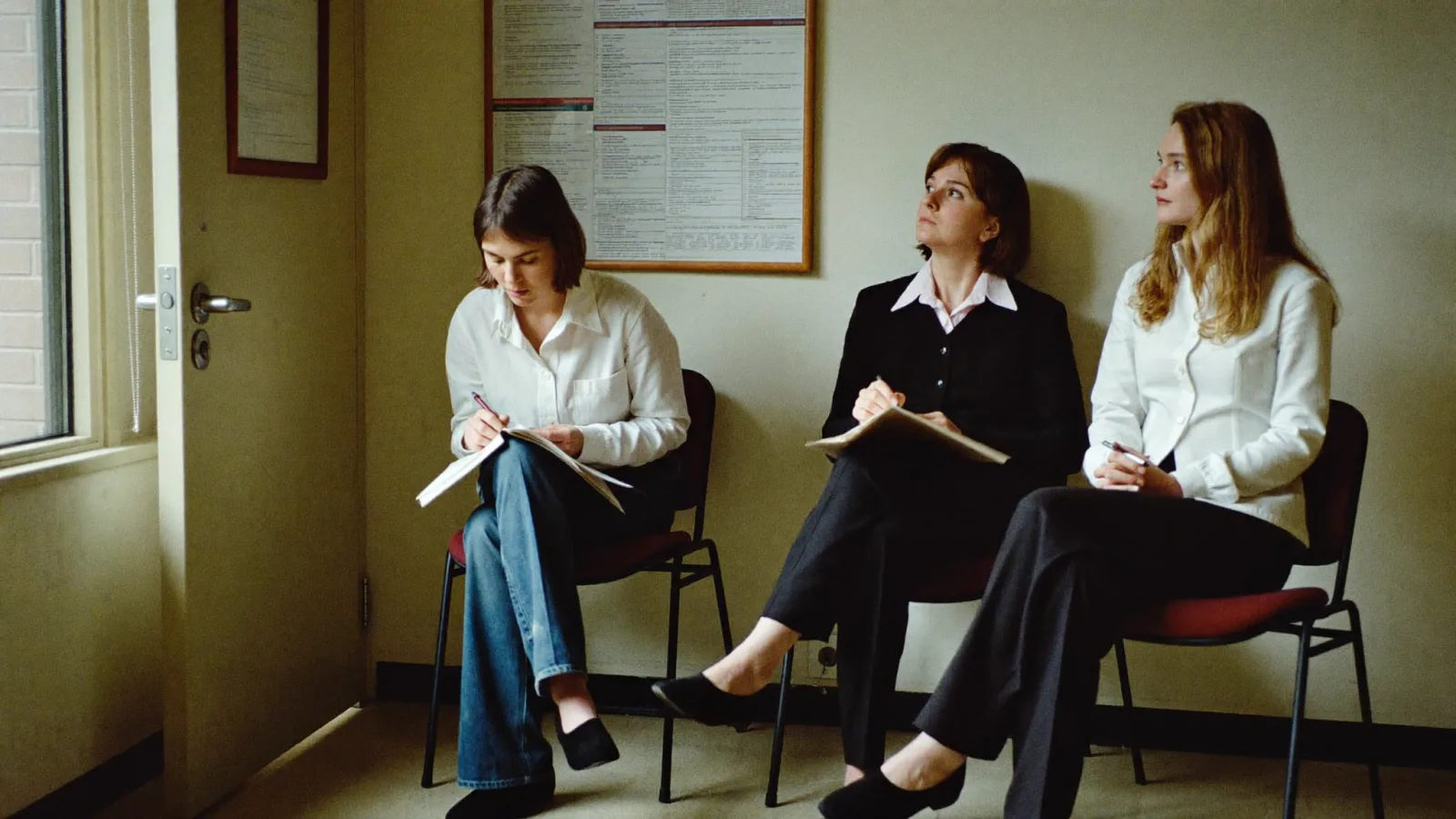
An NHS interview is rarely just an interview. Depending on the role and the organisation, the day can include a panel, a presentation, a written exercise, a numeracy test, a clinical scenario, a tour of the department and an informal conversation with the team, and your document checks may be done while you are there. Knowing the shape of it in advance removes most of the anxiety and lets you prepare for the right things.
Read the invitation properly
The invitation should tell you the format, the duration, who is on the panel, and whether anything needs preparing in advance. Read it the day it arrives rather than the night before, because presentation topics are often set with a week's notice and people routinely miss them in an attachment.
If anything is unclear, ask. Emailing the recruitment contact to confirm whether there is a written element, how long the presentation should be, or whether you should bring documents is entirely normal and is not held against you. It is far better than guessing.
Who is on the panel
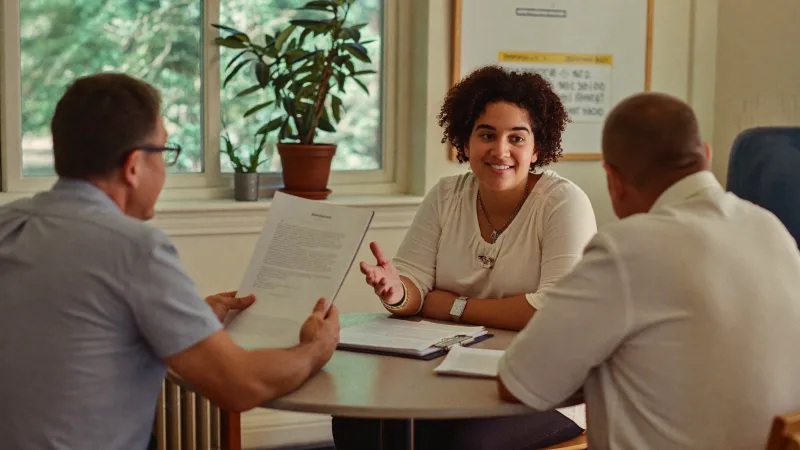
NHS panels are usually two to four people. Expect the recruiting manager, someone from the wider team or a senior clinician in the specialty, and often a representative from another department, human resources, or a service user or lay member for more senior posts.
Panels are typically scoring against a framework derived from the person specification, with each member marking independently before they compare. This is why answers that clearly evidence a criterion do better than answers that are simply charming. It is also why the panel may look down and write while you are talking, which unnerves people unnecessarily. They are recording evidence, not losing interest.
The values-based element
Most NHS interviews include questions designed to test values rather than technical competence: how you would respond to someone distressed, how you handle disagreement about care, what you would do about a colleague's poor practice. These are usually scored against the values in the NHS Constitution or the organisation's own version of them.
Answer these with real examples rather than statements of principle, and be prepared for follow-up questions that probe what you actually did. Panels are quite good at telling the difference between a value someone holds and a value someone has read.
Presentations
If you are asked to present, you will usually be given a topic and a time limit, commonly five to ten minutes, sometimes with slides and sometimes without. The most common mistakes are running well over time and preparing a presentation that could have been given by anyone.
Keep to the time strictly; panels frequently stop you at the limit and you will lose whatever you had left. Structure it simply, make sure it answers the question actually asked rather than the one you would rather answer, and expect questions afterwards. If slides are permitted, bring them on a memory stick and email them to the contact in advance, because equipment fails.
Written exercises and tests
These vary a great deal. Administrative and management posts may include an in-tray exercise or a short piece of writing under time pressure. Some clinical roles include a numeracy assessment, particularly around drug calculations, and these are usually pass or fail rather than scored. Others include a short scenario asking you to set out how you would prioritise or respond.
If a numeracy test is mentioned, practise beforehand. People who calculate doses daily still lose marks under time pressure in an unfamiliar format, and the arithmetic is the easy part.
Clinical scenarios and observed practice
For some clinical posts you may be given a scenario to talk through, or occasionally asked to demonstrate something. The scoring here is usually less about arriving at a single right answer and more about your reasoning: what you would assess first, what would worry you, when you would escalate and to whom, and what you would document.
Saying explicitly that you would escalate, and naming who to, is almost never the wrong move. Panels are more concerned about candidates who press on alone than about candidates who ask for help.
The tour and the informal parts
Many trusts include a walk round the ward or department, sometimes before the formal interview and sometimes after. It is genuinely useful for you, and it is also not entirely off the record. Being brusque with someone you assume is not part of the process is noticed.
Use it. Ask the staff you meet what the team is like, how the rota works, what induction looked like for them. You are assessing the employer as much as they are assessing you, and this is the only part of the day where you get an unfiltered view.
Documents and checks
Bring original identification documents, proof of right to work, professional registration details, and original qualification certificates unless told otherwise. Many trusts complete their identity checks on the interview day, and having everything with you can take a week off the pre-employment stage. Bring photocopies too, since it saves time.
Practical logistics
Hospital sites are large, parking is often difficult and expensive, and the department named in your invitation may be a ten-minute walk from the main entrance. Plan to arrive with a comfortable margin, and check whether you need to report to a specific reception first.
Dress smartly. Formal business dress is the safe default even for clinical roles, unless you have been told you will be doing something practical, in which case follow the instruction you were given.
Your questions
You will be asked whether you have questions, and having two or three sensible ones is expected. Useful areas include induction and preceptorship, how the team is currently staffed, what the biggest challenge facing the service is, what progression has looked like for others in the role, and when they expect to make a decision.
Avoid asking about things that were covered in the advert, and leave pay negotiation alone; Agenda for Change bands are fixed and the only variable is usually starting pay point, which is a conversation for after an offer.
Afterwards
Most panels tell you when to expect a decision, and many phone successful candidates the same day or the next. If you are unsuccessful, ask for feedback. NHS panels keep scored notes against the criteria, so the feedback is often specific and genuinely useful for your next application, which is not true in every sector.
For the format of a specific interview, the recruitment contact named on the advert is the definitive source, and the person specification published with the vacancy is the best guide to what will be scored.
This guide is general information, not legal, immigration or medical advice. Always confirm current requirements with the relevant official body.
Where to look next
Vacancies on this topic
Last reviewed 21 August 2026.
Keep reading